Cypresses and Water
Thirty years with a hoe and a watering can on the palace hill — what the gardens taught me, written down for whoever asks.
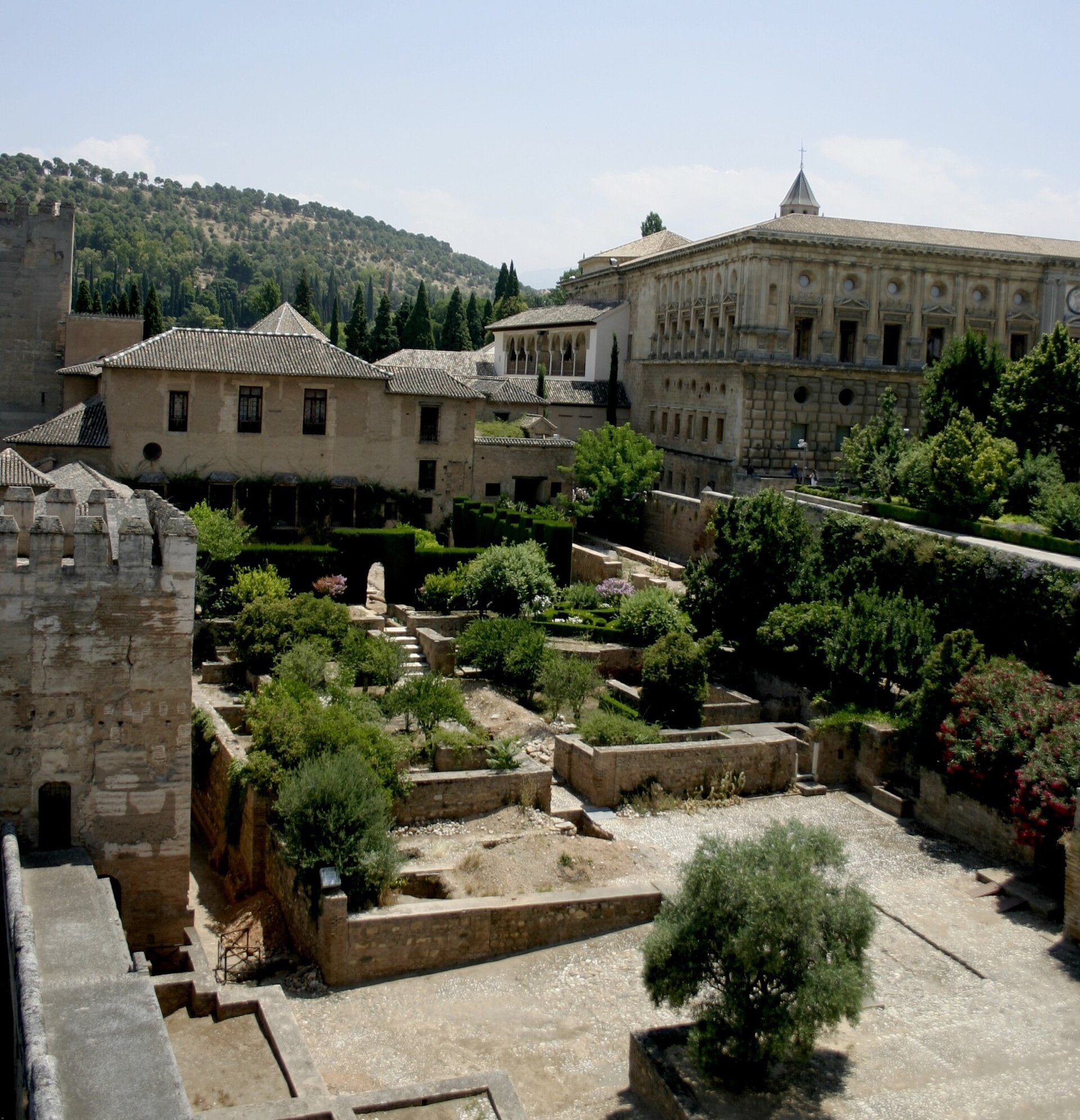
For thirty years I worked the gardens on the hill above Granada — the Generalife mostly, sometimes the long walk of the cypresses, always within sound of the water. I pruned the orange trees my grandfather pruned, I cleared the same channels his father cleared before him, and I watched the sun come up over the hill more times than any man needs to. When my knees gave out they gave me a small ceremony and a larger pension, and now I write what I know, because the questions from visitors never stopped.
People imagine the palace hill as a monument. Those of us who worked it knew it as a garden that happened to contain palaces. The monument is the excuse; the garden is the reason the place breathes. Water runs through it everywhere — in the open channels, in the buried pipes, in the sound that follows you through every courtyard. The old engineers who built it understood something simple: water is the only decoration that never needs painting.
These pages are my notebook. How the water gets up the hill and why the channels sing. When the cypresses were planted and what they hide. What mornings are like before the crowds, and what the town looks like from the gardeners' terraces. Honest advice — when to come, where to walk, what shoes to wear on stones polished by six centuries of feet.
Nothing here is official and nothing is for sale. I do not work for the monument, I am not paid by anyone, and the only thing I sell is the occasional orange from my own trees to the neighbour at the end of my street. If a note here makes your visit better, that is payment enough — write to the postal address on the contact page and tell me which bench you sat on.
The hill is still there, and the water still runs. That is more than can be said for my knees, but I would not trade.
Why put it on a website, my daughter asked, instead of a notebook? Two reasons. First, the same dozen questions kept arriving by post and a page answers more people than a letter. Second, because a garden dies twice — once when it is untended, and once when nobody remembers how it was tended. The first fate the hill will never suffer; the second I can do something about. These pages are arranged the way I walked the job: the water first, because everything depends on it; then the planting; then the mornings, the town, the honest advice; then the small print every site owes its readers. If you read only one page, read the one about the channels — everything else grows out of it.
One thing before you start, because it sets the tone of everything else on this site: I am not a historian and I do not play one here. The men who keep the dates and the dynasties have written whole libraries about this hill; what I kept for thirty years was a hoe and a memory. When I tell you where a channel runs, that is memory — checked where I could check it, corrected wherever a reader caught me out. When I tell you where to sit or when to come, that is opinion — the professional opinion of a man who watched this place work for thirty years, but opinion all the same. Take the memoir as a memoir and the advice as advice, and we will get along fine.